
SB 458: WHY INITIAL INSURANCE CLAIM EVALUATIONS MAY VARY
Insurance claim evaluations sometimes differ from contractor or homeowner repair expectations. Understanding how insurers develop estimates — and when additional documentation may support further review — helps homeowners evaluate whether the claim file reflects observed property conditions.
Insurers prepare estimates using standardized estimating platforms, pricing databases, and policy-defined valuation methods. However, these structured systems may not capture every repair dependency, code-related element, or site-specific condition. As a result, the initial estimate may differ from contractor repair scopes or later documentation.
REVIEW YOUR POLICY AND CLAIM DOCUMENTS
Before responding to a settlement or denial, homeowners can compare the insurer’s written determination with relevant policy provisions such as coverage sections, limits, exclusions, and valuation terms.
Homeowners may also request clarification about how the insurer calculated payment, including:
-
depreciation applied
-
unit pricing assumptions
-
scope items included or omitted
-
deductibles or limits applied
This information helps explain how the claim decision was reached and whether additional documentation may be relevant.
BUILD DOCUMENTATION THAT REFLECTS OBSERVED CONDITIONS
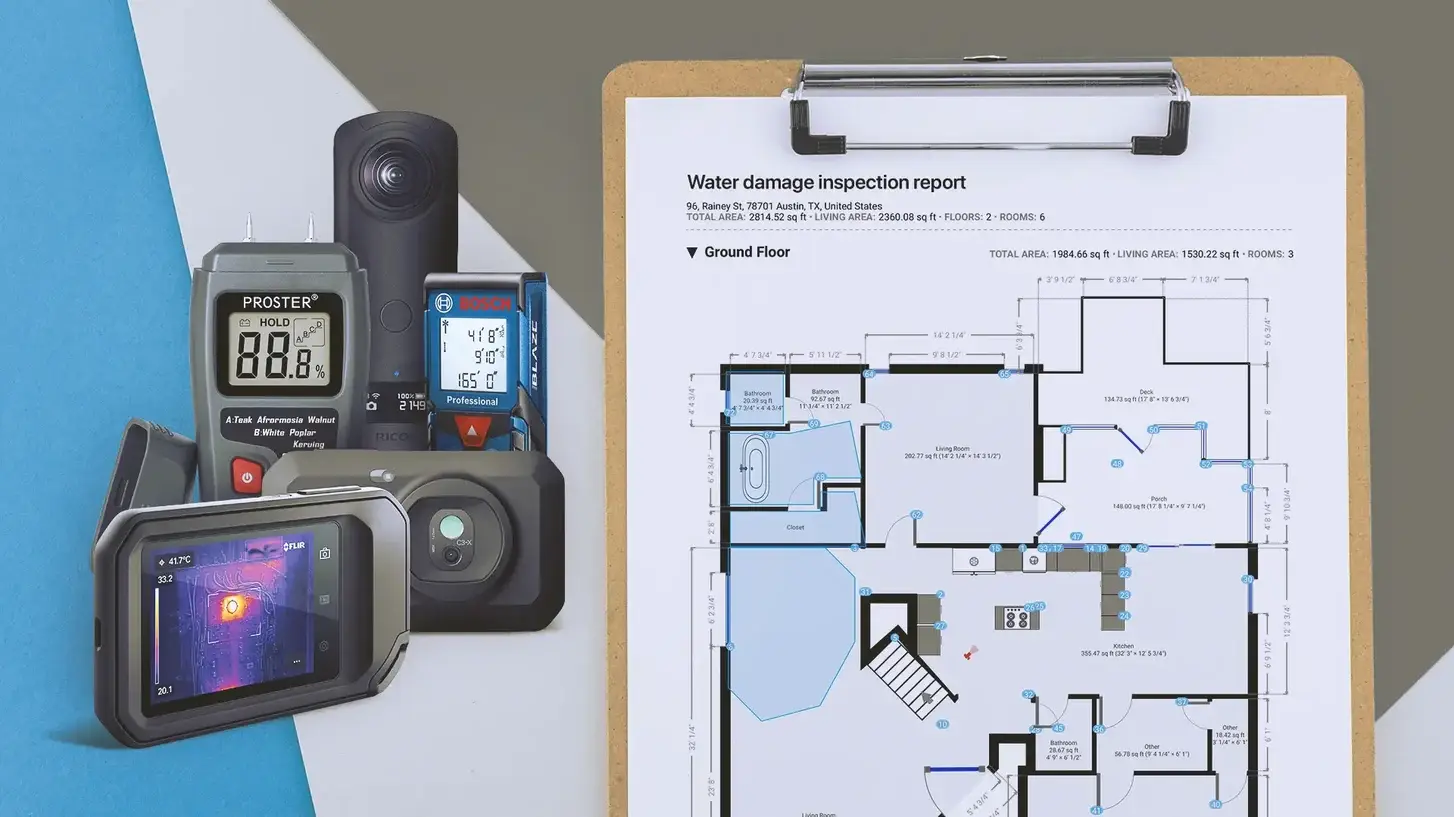
Insurance claim review relies heavily on documented property conditions. Supplemental documentation can help clarify whether the claim file reflects actual repair requirements.
Examples include:
-
contractor estimates
-
dated photographs
-
invoices or receipts
-
prior repair records
-
inspection or consultant reports
REINSPECTION, RECONSIDERATION, AND ADDITIONAL EVALUATIONS
Many insurance policies include procedures for further review when new information becomes available. These procedures may involve reinspections or internal reconsideration. Homeowners may submit supplemental documentation that addresses items identified in the insurer’s estimate or correspondence.
Depending on property conditions and claim context, either party may request additional evaluations by engineers or other qualified consultants. Some residential property policies also contain an appraisal provision intended to resolve disputes about the amount of loss.
Texas SB 458 requires most residential property policies issued or renewed on or after January 1, 2026, to include a standardized appraisal framework for amount-of-loss disputes. Appraisal determines valuation only and does not address coverage decisions. Learn more in the BestRecourse Texas SB 458 overview.
WHEN PROFESSIONAL ASSISTANCE MAY BE CONSIDERED
If questions remain unresolved after standard review procedures, supplemental submissions, or appraisal, homeowners sometimes seek assistance from licensed professionals such as public adjusters or legal counsel to better understand policy-based options.
The appropriate path depends on policy language, documented property conditions, and the specific claim context.
BESTRECOURSE ROLE CLARIFICATION
BestRecourse provides independent inspection-based documentation and educational information related to property conditions and repair scope considerations. Services focus on documenting observable damage and organizing claim-related information.
BestRecourse does not:
-
interpret insurance policies
-
negotiate claims
-
determine coverage
-
represent policyholders
-
act as a public adjuster or attorney
DISCLAIMER
This material provides general educational information only. It does not constitute legal advice, insurance advice, or claim representation. Insurance policies govern claim rights and procedures. Licensed professionals should be consulted for policy interpretation or claim advocacy.
Related Posts
SB 458 for Contractors in Grand Prairie, Texas #2
Contractors in Grand Prairie frequently encounter reconstruction scopes that exceed…
cl 5 document #2
Inspection Reports for Insurance Claims Inspection reports organize insurance…
Appraisal vs Lawsuit Insurance Disputes
Understanding Appraisal vs Lawsuit in Insurance Disputes When a disagreement…