
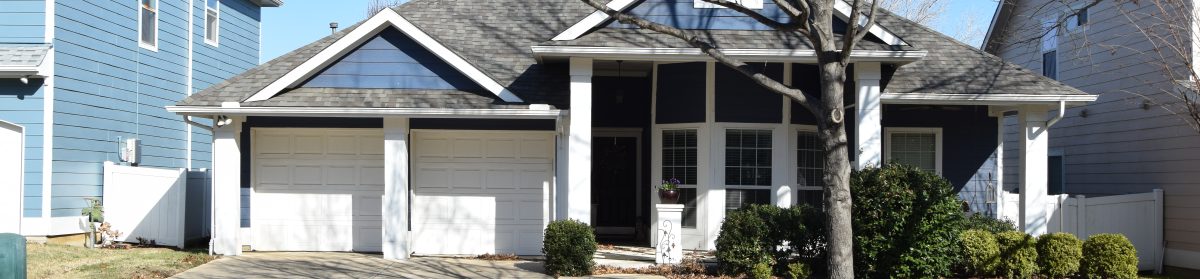


How to Tell if Your Roof Has Hail Damage in Texas
Meta Description: Learn how to tell if your roof has hail damage in Texas. Spot impact marks, granule loss, and storm signs with a clear inspection guide.
Texas Hail Damage Guides
How to Tell if Your Roof Has Hail Damage in Texas |
Did Hail Damage My Roof |
Hail Damage Roof Inspection |
Hail Damage Roof Pictures |
How Big Hail Damages Roofs |
Hail Size That Damages Shingles
After a severe storm, many homeowners ask how to tell if your roof has hail damage in Texas. That question matters because hail can shorten roof life even when there is no leak right away. In Texas, spring and early summer storms often bring fast-moving hail cells, strong wind, and heavy rain. As a result, roofs may show a mix of impact marks, loosened granules, dented metal, and cracked accessories.
 Fortunately, there are practical ways to look for storm damage. First, you can examine the property from the ground. Next, you can look for patterns on gutters, vents, and soft metals. Then, you can compare what you see on different roof slopes. Together, those steps help you understand whether the storm likely affected the roof surface.
Why Texas Roofs Take Hail Damage Seriously
Texas sits in one of the most active hail regions in the country. Because storms form quickly and travel in narrow bands, one neighborhood may get hard hail while the next street gets only rain. Therefore, homeowners cannot rely only on general weather reports. They need to look at what actually happened on the property.
Roofing materials also react differently to hail. Asphalt shingles may lose granules or develop bruises. Metal vents may dent. Ridge caps may crack or split. Older roofs can show damage faster because the material is already worn. Newer roofs may still take hits, but the signs may appear more subtle at first.
What to Check From the Ground After a Storm
Start with a careful walk around the house. This first pass is useful because it helps you see whether hail hit the property hard enough to matter. While you are outside, check these areas:
- gutters and downspouts for fresh dents
- window screens for torn mesh or dimples
- fence stain or paint for pockmarks
- air conditioner fins for impact damage
- mailboxes, patio furniture, and grill lids for dents
If soft metal surfaces show fresh impacts, there is a stronger chance the roof took hail as well. In other words, nearby evidence helps support what may later be found on the shingles.
Common Signs of Hail Damage on Asphalt Shingles
Asphalt shingles usually show hail in a few recognizable ways. However, every mark is not hail, and that is why pattern matters. A true hail pattern tends to look random, not uniform. It often appears on more than one slope, and it usually shows on related roof components too.
Granule Loss
One of the most common signs is granule loss. When hail strikes a shingle, it can knock away the protective surface granules. That leaves darker spots where the asphalt layer is more exposed. A few loose granules are normal over time, but fresh scattered spots after a storm can suggest impact damage.
Bruising
Bruising happens when the shingle mat is compressed. The surface may look only slightly different, yet the spot can feel soft compared with surrounding material. Because bruising is subtle, it often requires a close roof inspection.
Cracking or Fracturing
Larger hail may create small fractures, especially on ridge caps, hip shingles, or aged materials. These cracks may widen later as heat and weather continue to stress the roof.
Metal Components Often Tell the Story First
When homeowners want to know how to tell if your roof has hail damage in Texas, soft metals often provide the clearest early clues. That includes:
- roof vents
- turbine vents
- flashing
- metal valleys
- gutters and downspouts
Dents in these areas do not prove every shingle is damaged. Still, they do show the storm had enough force to strike the roof system. Because of that, metal impacts are a strong reason to look closer at the rest of the roof.
What a Hail Damage Roof Inspection Looks For
A hail damage roof inspection focuses on physical evidence. The inspection usually compares multiple slopes, documents impact areas, and checks whether damage is random and storm related. It also reviews ridge caps, vents, flashing, and other vulnerable areas.
In addition, inspectors often take photos, mark test squares, and note directional patterns. This kind of structure matters because it helps separate normal wear from recent storm impacts.
Hail Size Changes the Kind of Damage You May See
 Not all hail creates the same result. Smaller stones may leave little or no visible effect. Medium hail may displace granules. Larger hail can bruise shingles and dent metal more clearly. For a closer explanation, see How Big Hail Damages Roofs and Hail Size That Damages Shingles.
Pictures Help You Compare What You See
Visual reference matters. Many homeowners are unsure whether a dark spot, scuff, or dent is actually storm damage. That is why comparison photos are useful. You can review typical examples in Hail Damage Roof Pictures. When you compare real examples to your own roof components, you gain a better sense of what deserves closer attention.
When to Check the Roof
Timing matters. It is best to look soon after the storm while fresh marks are easier to identify. If months pass, regular aging, foot traffic, heat, and debris can make storm evidence harder to interpret. Therefore, an early review gives you a cleaner picture of the roof condition.
What Homeowners Can Do Next
Start with safe ground-level observations. Take clear photos of any dents, displaced granules, or broken accessories. Write down the storm date if known. Then organize the images by area of the property. This creates a straightforward record of what you observed after the weather event.
Just as important, avoid making assumptions based only on one mark. Instead, look for a pattern across shingles, metals, and surrounding property. That approach is more reliable and helps you avoid overcalling ordinary wear as hail.
Texas Hail Damage Resource Center
How to Tell if Your Roof Has Hail Damage in Texas |
Did Hail Damage My Roof |
Hail Damage Roof Inspection |
Hail Damage Roof Pictures |
How Big Hail Damages Roofs |
Hail Size That Damages Shingles
Texas storms can be rough on roofing materials. Even so, a calm, methodical review helps. If you understand what hail commonly does to shingles and metal components, you can better judge whether the roof likely took storm impacts. That is the practical answer to how to tell if your roof has hail damage in Texas: check the property for related evidence, look for random impact patterns, compare multiple roof components, and document what you find.
Suggested image placeholder: [PHOTO: asphalt shingle roof slope after Texas hailstorm — alt text: how to tell if your roof has hail damage in Texas]